
In 2026, supply chains aren’t “broken,” but they are less forgiving. A small upstream issue can quickly become a customer-facing failure.
1) Disruption is now part of the baseline.
Security risk in the Red Sea has driven re-routing and volatility for some ocean shipments, which is another reminder that lead times and landed costs can change fast—even when demand is stable. Climate constraints have also disrupted throughput; Panama Canal drought restrictions have reduced capacity at times and created ripple effects across ocean schedules.
What this means for you: the “standard lead time” in your system is often optimistic. When reality slips, your customer sees late deliveries—not the reason.
2) Transparency is moving from “compliance” to “commercial gatekeeping.”
Canada’s Fighting Against Forced Labour and Child Labour in Supply Chains Act (formerly Bill S-211) requires many entities to file annual reports by May 31, describing steps taken to prevent and reduce forced and child labour risks.
What this means for you: even if your company isn’t directly in-scope, large buyers and public-sector customers increasingly expect similar information during supplier qualification.
3) “Where we source and make” is now a business decision, not just procurement.
Cost still matters, but in 2026 it’s weighed alongside lead time, transportation risk, tariff exposure, jurisdiction exposure, and how easily you can be qualified (and re-qualified) by buyers.

1) Product-level mapping: “Show me the exposure by SKU, not by supplier”
What strong teams do: They map critical products by jurisdiction and tier, not just “Supplier A / Supplier B.”
2) Dual-sourcing—but only for “line stoppers” and reputation-sensitive categories
What strong teams do: They don’t dual-source everything (that crushes working capital). They dual-source the items that can shut down production or break customer promises.

3) “Qualification pack” that sales can send in 24 hours
What strong teams do: They stop treating buyer due diligence like a bespoke project. They create a standard pack that answers the questions buyers repeatedly ask.
Typical contents:
This aligns with the expectations created by Canada’s Supply Chains Act environment and the broader rise of formal disclosure.
4) “Control tower lite” for mid-market teams (no big system required)
What strong teams do: They operationalize visibility with a lightweight rhythm:
5) Executive ownership of sourcing trade-offs (so decisions are defensible)
What strong teams do: They make sourcing a management-table decision: cost vs. continuity vs. customer qualification risk.
Manufacturing example: A firm keeps offshore sourcing for stable components but nearshores one high-visibility assembly to protect lead time and reduce exposure to route volatility.
Outcome: a stronger OTIF story for key accounts without rewriting the whole supply base.
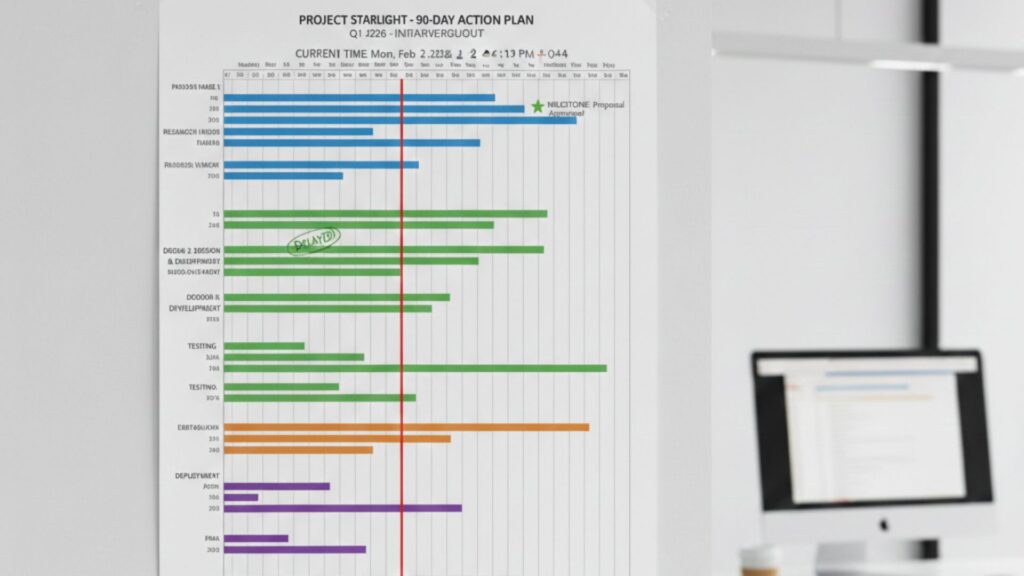
Days 0–30: Decide what’s critical
Days 31–60: Map and stress-test
Days 61–90: Make it repeatable
In 2026, customers don’t expect perfection—they expect transparency and control. When we can show where our products come from, what we’ll do if something breaks, and who owns the decision-making, we protect service levels, avoid working-capital whiplash, and earn trust.
Analysis of maritime geopolitics on early 2026: The Red Sea Factor
International Sustainable Development Observatory
February 2, 2026
Panama Canal faces capacity challenges as it explores new business models
ICIS
May 22, 2025
Important Updates to Public Safety Canada Guidance Ahead of 2026 Reporting Cycle
McCarthy Tétrault
January 13, 2026

